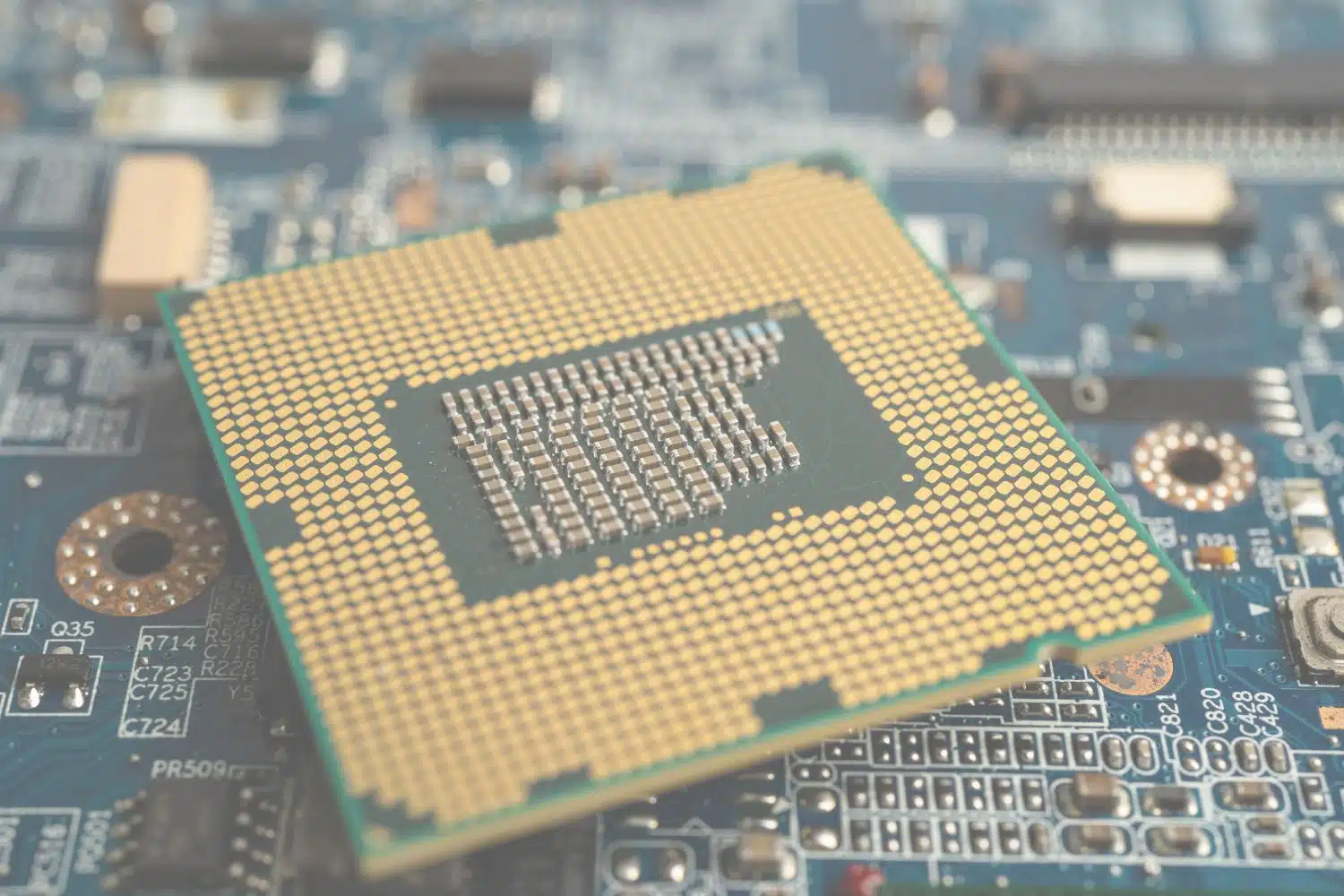
At the end of 2025, we already looked at the price trends for memory and CPUs at that time. Due to the highly dynamic and constantly worsening market situation, we would like to revisit this topic here.
Why are memory and CPUs getting more and more expensive?
The main cause of the price problem is an imbalance between sharply rising demand and tightening supply.
Increase in demand due to new workloads
Innovative applications such as artificial intelligence, large databases and cloud workloads require huge amounts of RAM. These trends are not only driving demand for high-end components, but are also putting pressure on the market for standard DDR5 modules. At the same time, more and more systems are being converted to DDR5 memory, which is further boosting demand.
Capacity shifts at manufacturers
Large memory manufacturers such as Samsung, SK Hynix and Micron are using a larger proportion of their production capacity for high-performance memory and newer memory architectures such as DDR5. Classic DDR4 RAM, which we still use in some products, is therefore much less available.
Cyclical production problems
Supply bottlenecks and prioritization in production are also putting pressure on prices for CPUs: modern chips are preferably produced for server-related platforms, which means that older embedded or client CPUs are increasingly being relegated to second or third place in importance.
Price trends over the past year
The price movements in recent months have been dramatic, especially for RAM:
- DDR4 and DDR5 prices have risen massively since mid-2025. Common models that were previously rather inexpensive now cost several hundred euros, which was unimaginable over a year ago. Source: pcgameshardware.de
- Even standard RAM bars now usually cost well over €100 each
- At the same time, DDR4 has now been replaced almost across the board by the switch to DDR5 production, which makes purchasing even more difficult.
The forecasts for 2026 assume that the market will stabilize at a higher price level before slight price reductions could occur in the medium term. Source: ipc2u.de
What does this mean for the B2B industrial PC market?
The price changes particularly affect industrial customers who rely on durable hardware and stable operating costs.
Difficult cost planning
Higher component costs inevitably lead to more expensive end products. In many industries, this means that projects with long-term hardware investments become significantly more expensive than originally planned.
Procurement is also becoming strategically more complex
Fluctuating prices not only make project planning more difficult, but also spare parts planning. Many companies feel compelled to stock up as much as possible or conclude long-term supply contracts in order to circumvent the price fluctuations to some extent.
Technical restrictions
Industrial PCs are usually designed to meet certain standards in order to remain as uniform and flexible as possible. However, many older systems cannot be easily upgraded to DDR5 memory and/or newer CPUs, as interfaces are not compatible or the components are even soldered on. This means (also for us): As long as DDR4 memories are available, they must continue to be purchased, even if they become more expensive.
How spo-comm is dealing with the situation
We try to secure contingents for our customers in advance by pre-ordering critical CPUs and RAM bars early on. We also rely on alternative sources to reduce the risk of failure in the event of bottlenecks and to meet demand in the best possible way.
At the same time, we are already testing replacement platforms, for example with ARM or AMD processors, so that we can offer alternative systems in the event of permanent bottlenecks. Our long-standing distribution partners support us in securing fixed quantities. We optimize our stock levels through close cooperation and planning.
In the long term, we are pushing ahead with the switch to new platforms. We are currently developing successor products with DDR5 support and modernized chipsets. The aim is to expand our product range in such a way that future bottlenecks are mitigated.
Through active risk management and close customer support, we ensure that your projects can continue to run as smoothly as possible. Despite all this, even we cannot avoid price increases. We are currently adjusting our prices regularly depending on the procurement costs of the components.
No end in sight in the short term
The memory and CPU price crisis is not a temporary event, but an expression of structural shifts in the global technology market. The new demand sectors are driving demand to unimagined heights and compatibility requirements are making it difficult to find quick technical alternatives. For the B2B market, this means higher prices, more complex planning and more strategic procurement decisions. Companies that have adapted their hardware strategy at an early stage and have already optimized their procurement processes have been able to gain a decisive advantage here.
We have already listed which of the spo-comm Mini-PCs are affected in terms of memory and CPUs in the first article on the subject. If you have any questions on this topic, please do not hesitate to contact us: